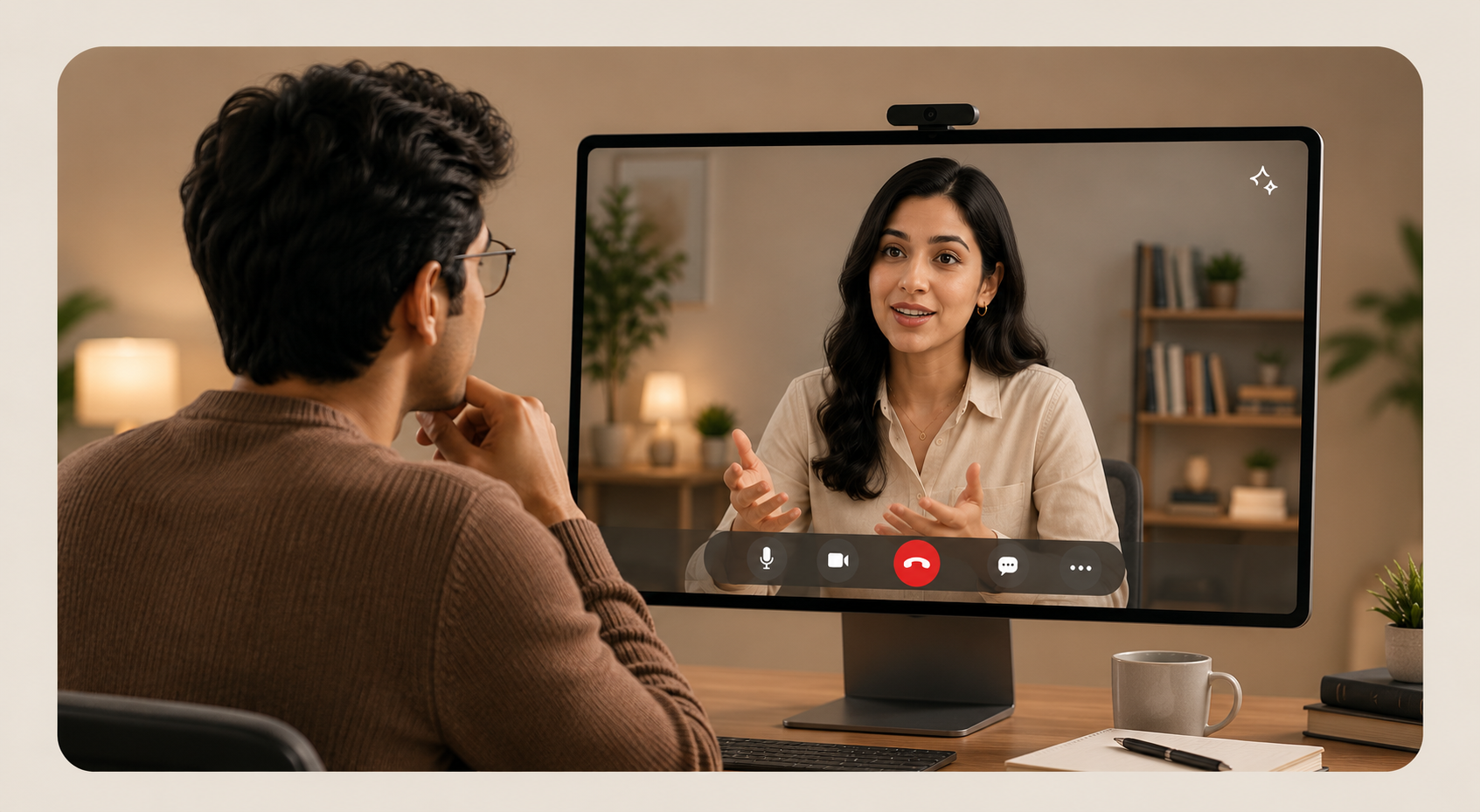


As a corporate trainer, you've likely experienced the frustration of delivering the same training content to diverse teams, only to see wildly different engagement levels and outcomes. Some employees race through modules while others struggle with basic concepts. Some prefer hands-on learning while others excel with theoretical frameworks. The traditional one-size-fits-all approach to corporate learning is not just inefficient—it's becoming obsolete.
At Lyearn, we're witnessing a fundamental shift in how organizations approach employee development. Artificial intelligence is transforming learning management systems from static content repositories into dynamic, intelligent platforms that adapt to each learner's unique needs, preferences, and goals.
The Corporate Training Challenge: Why Traditional LMS Falls Short
Traditional LMS platforms have served their purpose, but they've also created significant challenges for corporate trainers. You're tasked with ensuring compliance training reaches 100% completion rates, developing technical skills across different experience levels, and measuring the real-world impact of your programs—all while working with limited time and resources.
The result? Generic training modules that engage some employees while leaving others behind, lengthy completion times that disrupt productivity, and difficulty proving ROI to leadership. It's time for a smarter approach.
Personalization at Enterprise Scale: AI-Driven Adaptive Learning

The most transformative aspect of AI in corporate learning is its ability to deliver personalized training experiences at enterprise scale. Machine learning algorithms analyze how each employee interacts with content, identifying patterns in learning preferences, optimal challenge levels, and knowledge retention rates.
Consider rolling out new software training across your organization. An AI-powered LMS recognizes that your sales team learns best through role-playing scenarios and customer interaction simulations, while your technical support staff prefers step-by-step documentation with troubleshooting flowcharts. Instead of forcing everyone through the same generic modules, the system automatically delivers interactive sales scenarios to your revenue team and detailed technical guides to support staff.
This level of personalization extends beyond content format to pacing and sequencing. AI can identify when an employee has truly mastered a skill versus when they've simply completed a module, ensuring solid foundations before advancing to more complex competencies.
Predictive Analytics: Proactive Training Management

One of the most powerful applications of AI for corporate trainers is predictive analytics. By analyzing engagement patterns, performance data, and behavioral indicators, AI systems can identify employees who are likely to struggle with training requirements or fail to complete mandatory programs—often weeks before traditional warning signs appear.
These insights transform your role from reactive to proactive. Instead of discovering that critical safety training wasn't properly absorbed during an incident investigation, you receive early alerts when an employee's engagement patterns suggest they need additional support. This allows you to provide targeted coaching, modify learning approaches, or connect employees with peer mentors before skill gaps impact job performance or compliance requirements.
For corporate trainers managing multiple programs across large organizations, this predictive capability directly impacts your success metrics: higher completion rates, improved skill acquisition, reduced time-to-competency, and better ROI demonstration to leadership.
Intelligent Content Creation: Scaling Your Expertise

Even if you're not a subject matter expert, you can now build high-quality training content with the help of AI.
AI tools simplify the content creation process by handling many of the time -consuming tasks for you. For example, they can quickly turn your existing training material into quizzes, real-life work scenarios, or progress reports that show how individuals and teams are doing. If you’re preparing a training on cybersecurity, AI can create simple email-based phishing examples for general staff, and more technical problem-solving exercises for your IT team automatically.
These tools can also pull in up-to-date content from reliable sources across the web, so your training materials reflect the latest rules, trends, and best practices. This is especially helpful in industries like healthcare, finance, or manufacturing, where following current standards isn’t just important it’s required by law.
With AI, you don’t need deep expertise in every topic to build clear, focused training that works.
Real-Time Assessment and Feedback: Accelerating Skill Development

Traditional assessment methods often create bottlenecks in corporate training programs, particularly when rolling out learning initiatives across large organizations. Employees complete modules and wait days or weeks for feedback, losing momentum and missing opportunities for immediate course correction.
AI-powered assessment changes this dynamic entirely. Employees receive instant, detailed feedback on their performance, including specific suggestions for improvement and additional resources to address knowledge gaps. This immediate feedback loop accelerates learning by allowing employees to correct mistakes and reinforce understanding while the material is still fresh.
For trainers, AI assessment provides unprecedented visibility into learning effectiveness. You can see in real-time which concepts are causing difficulty across different departments, identify patterns in skill development, and adjust your training strategy based on actual performance data rather than assumptions.
Natural Language Processing: Making Learning More Accessible
The integration of natural language processing is making corporate training more accessible and immediate. AI-powered training assistants can answer employee questions 24/7, providing instant support without requiring your direct intervention for routine inquiries.
These systems understand context and provide personalized guidance. An employee can ask, "How does this new process apply to my specific role?" and receive tailored explanations and relevant examples. For global organizations, AI can provide training support in multiple languages and adapt explanations to different cultural contexts.
Voice-enabled interfaces are particularly valuable for employees who learn on-the-go or work in environments where traditional screen-based learning isn't practical. Field service technicians, manufacturing workers, and mobile sales teams can access training content and support through voice interactions, expanding your training reach beyond traditional classroom or computer-based settings.
Implementation Considerations: Getting AI Right
While the potential of AI in corporate training is enormous, successful implementation requires careful planning and consideration. Data privacy and security remain paramount, particularly when dealing with employee performance information and proprietary business processes.
It's also crucial to maintain the human element in your training programs. While AI can personalize and optimize content delivery, the mentorship, motivation, and cultural reinforcement that you provide as a trainer remain irreplaceable elements of effective corporate learning.
Change management becomes critical when introducing AI-powered systems. Employees may be initially skeptical of AI-driven recommendations or concerned about data collection. Transparent communication about how AI enhances rather than replaces human judgment helps build acceptance and adoption.
The Strategic Advantage: Why Early Adopters Win
Organizations that embrace AI-powered learning management systems early gain significant competitive advantages. They develop more skilled workforces faster, adapt more quickly to changing business requirements, and create more engaging employee experiences that support retention and recruitment.
For corporate trainers, AI tools amplify your expertise and expand your impact. Instead of spending time on administrative tasks and content creation, you can focus on strategic learning design, coaching high-potential employees, and building programs that directly support business objectives.
Looking Ahead: The Next Wave of AI Innovation
The AI revolution in corporate learning is just beginning. We're seeing early developments in virtual reality training powered by AI, which could create immersive, risk-free environments for practicing complex procedures or dangerous scenarios. Advanced natural language generation might soon produce completely personalized training materials tailored to individual job roles, experience levels, and learning objectives.
Machine learning models will become more sophisticated in understanding learning psychology, potentially identifying optimal training schedules, predicting the most effective motivational strategies for individual employees, and even detecting stress levels or cognitive load that impact learning effectiveness.
Your Next Steps: Embracing AI-Powered Learning
The question isn't whether AI will transform corporate training—it's how quickly your organization can harness this potential to create competitive advantage. Start by identifying your biggest training challenges: Are completion rates too low? Do employees struggle to apply new skills? Is it difficult to measure training impact?
AI-powered LMS platforms can address these specific pain points while scaling your expertise across your entire organization. The most successful implementations begin with clear objectives, strong stakeholder buy-in, and a commitment to continuous improvement based on data-driven insights.
Conclusion: The Future is Intelligent, Personal, and Powerful
At Lyearn, we believe the future of corporate learning is intelligent, deeply personal, and remarkably powerful. AI isn't replacing corporate trainers—it's amplifying your expertise, expanding your reach, and proving your value in ways that were never before possible.
The organizations that embrace AI-powered learning management systems today will build more skilled, adaptable, and engaged workforces tomorrow. They'll respond faster to market changes, develop talent more effectively, and create learning cultures that drive business success.
The transformation is happening now. The question is: Will your organization lead this change, or will you be left catching up to competitors who recognized the power of intelligent learning systems?
Ready to explore how AI can revolutionize your corporate training programs? Contact Lyearn to discover how our AI-powered learning solutions can transform your organization's approach to employee development.