




As an LMS admin, you've likely experienced the frustration of launching what you thought was an effective training program, only to discover weeks later that employees struggled with the content, found it irrelevant, or couldn't apply the skills in their daily work. Traditional training approaches often operate in a feedback vacuum, leaving trainers to guess whether their programs are truly making an impact.
The solution lies in transforming your LMS from a static content delivery system into a dynamic, responsive learning ecosystem powered by continuous feedback and strategic surveys. At Lyearn, we've seen how organizations that embrace real-time feedback mechanisms dramatically improve training effectiveness, employee engagement, and business outcomes.
The feedback gap: Why traditional training falls short
Most learning programs suffer from what we call the "feedback gap" the disconnect between training delivery and understanding its real impact. Traditional evaluation methods, like post-training surveys sent weeks after completion, provide limited and often unreliable insights. By the time you receive feedback, the training moment has passed, and opportunities for immediate improvement are lost.
This gap creates several critical problems: employees may struggle with concepts but never voice their concerns, training content may be outdated or irrelevant without anyone realizing it, and skill application in real work contexts often differs dramatically from training expectations. The result is training that looks successful on completion dashboards but fails to deliver meaningful business impact.
Continuous feedback and surveys within LMS platforms bridge this gap by creating ongoing dialogue between trainers, learners, and the learning content itself. This approach transforms training from a one-way information transfer into a collaborative, adaptive experience that evolves based on real learner needs and outcomes.
Real-Time Feedback: The power of immediate insights

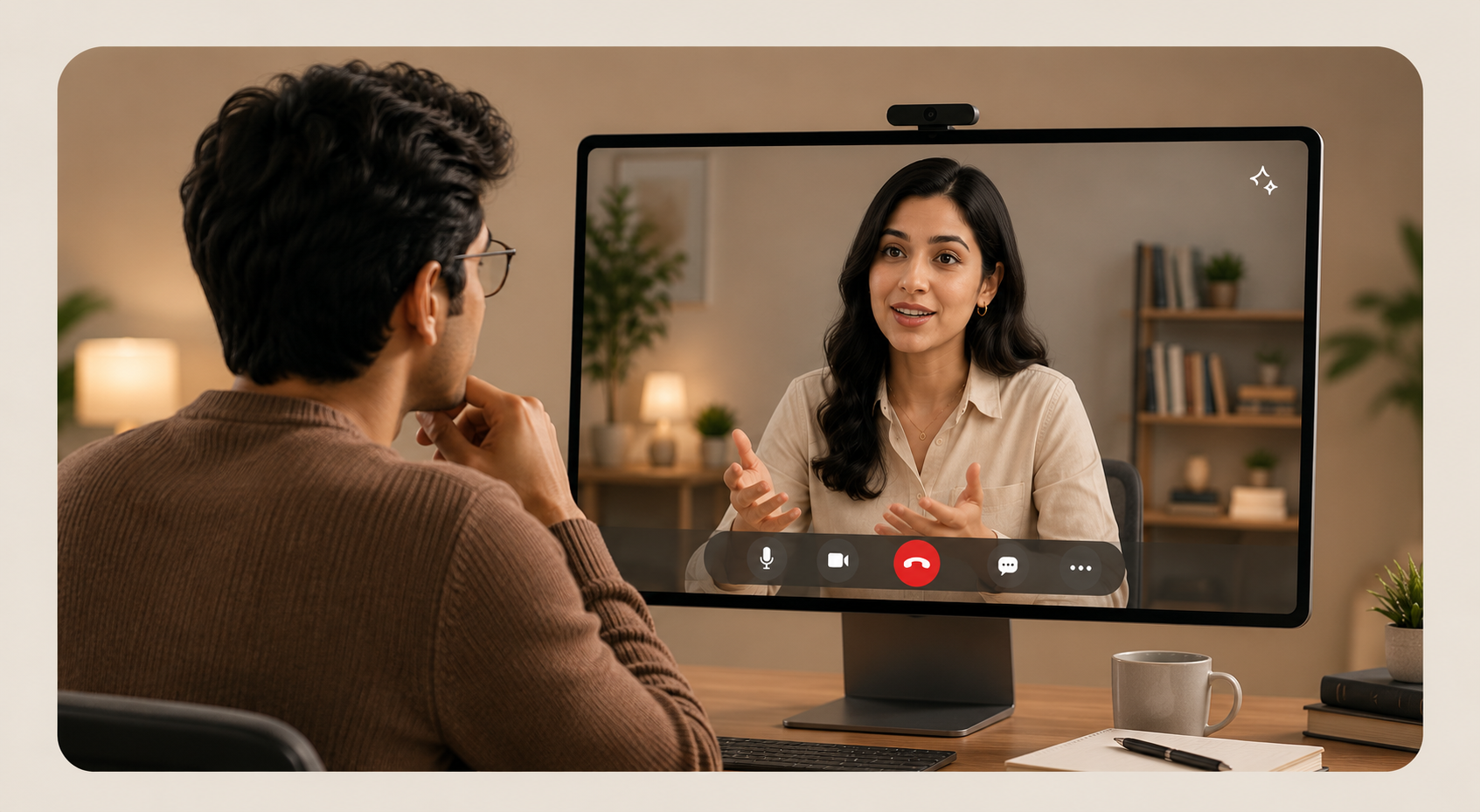
Real-time feedback mechanisms embedded within LMS platforms provide immediate insights into learner experience and comprehension. Unlike traditional end-of-course evaluations, these systems capture feedback at the moment of learning, when experiences are fresh and reactions are authentic.
Consider the impact of feedback survey throughout a compliance training module. Instead of waiting until the end to discover that employees found the legal terminology confusing, real-time feedback alerts you immediately when multiple learners struggle with the same concept. This enables instant course corrections, additional explanations, or alternative content formats to address confusion before it compounds.
Real-time feedback also captures emotional responses to training content. You can identify when employees feel overwhelmed, engaged, or frustrated, allowing for immediate adjustments to pacing, complexity, or delivery method. This emotional intelligence transforms training from a one-size-fits-all approach into a responsive, empathetic learning experience.
For content creators in organizations managing multiple programs simultaneously, real-time feedback provides the situational awareness needed to prioritize interventions and allocate support resources effectively. You can identify which programs need immediate attention and which are performing well, enabling more strategic use of your time and expertise.
Strategic Survey Design: Beyond basic satisfaction scores
Effective surveys within LMS platforms go far beyond simple satisfaction ratings. Strategic survey design captures actionable insights that directly inform training improvements and business outcomes. The key lies in asking the right questions at the right moments throughout the learning journey.
Pre-training surveys establish baseline knowledge levels, learning preferences, and specific challenges employees face in their roles. This information enables you to customize content delivery and set appropriate difficulty levels before training begins. Instead of assuming all employees start from the same point, you can create differentiated learning paths based on actual needs and experience levels.
Mid-training checkpoint surveys capture comprehension, engagement, and application confidence while learners can still adjust their approach. These surveys might ask about concept clarity, relevance to daily work, or confidence in applying new skills. The insights enable real-time course corrections and personalised support interventions.
Post-training surveys should focus on application intentions, perceived barriers to implementation, and specific support needs for skill transfer. Rather than generic satisfaction questions, ask about concrete plans for using new knowledge and what obstacles employees anticipate in their work environment.
Continuous improvement cycles: From feedback to action

The true power of continuous feedback lies not in collection but in systematic action based on insights gathered. Successful LMS platforms create closed-loop improvement cycles that translate feedback into tangible training enhancements.
This process begins with feedback aggregation and analysis. Advanced LMS platforms use analytics to identify patterns across individual responses, highlighting common themes, frequent pain points, and emerging trends. You might discover that employees across different departments struggle with the same software feature, or that certain training modules consistently receive low relevance scores.
The next phase involves rapid content iteration based on feedback insights. This might mean updating examples to reflect current business scenarios, adding visual aids to clarify complex concepts, or restructuring modules to improve logical flow. The key is making improvements quickly while feedback is still relevant and fresh.
Implementation of changes should be transparent to learners, demonstrating that their input drives real improvements. When employees see their feedback result in better training experiences, they become more engaged in the feedback process and more invested in their own learning outcomes.
Finally, measuring the impact of changes closes the improvement loop. Post-improvement surveys and performance metrics validate whether changes addressed the original concerns and identify new opportunities for enhancement.
Personalized learning paths through feedback intelligence
Continuous feedback enables unprecedented personalisation in learning programs. By analysing individual and collective feedback patterns, LMS platforms can automatically adjust learning paths to match learner preferences, comprehension levels, and application contexts.
For example, if surveys reveal that visual learners in your sales team struggle with text-heavy product training while analytical team members prefer detailed written specifications, the system can automatically serve visual demonstrations to one group and comprehensive documentation to another. This level of personalization was impossible with traditional training approaches but becomes achievable through systematic feedback collection and analysis.
Feedback intelligence also identifies optimal learning sequences for different employee types. Some learners prefer building foundational knowledge before tackling practical applications, while others learn best by starting with real-world scenarios and working backward to underlying principles. Continuous feedback reveals these preferences and enables adaptive sequencing that maximizes comprehension and retention.
Building a feedback culture: Encouraging honest input
The success of continuous feedback systems depends heavily on creating organisational cultures where honest, constructive input is valued and acted upon. Many employees hesitate to provide candid feedback about training programs, particularly if they fear negative consequences or believe their input won't make a difference.
Building trust requires transparency about how feedback is used and consistent demonstration that input drives real improvements. When employees see their suggestions implemented in updated training modules or new support resources, they become more willing to share honest observations and recommendations.
Anonymous feedback options can encourage more candid responses, particularly for sensitive topics or when hierarchical relationships might inhibit honesty. However, anonymous feedback should be balanced with opportunities for follow-up conversations when employees want additional support or clarification.
Recognition programs that celebrate valuable feedback contributions also encourage participation. Highlighting employees whose suggestions led to significant training improvements demonstrates the value placed on learner input and motivates others to share their insights.
Technology integration: Seamless feedback collection

Modern LMS platforms integrate feedback collection seamlessly into the learning experience, making it easy and natural for employees to share insights without disrupting their training flow. The best systems use multiple feedback channels to capture different types of input at appropriate moments.
Micro-interactions like quick rating buttons, emoji reactions, or simple yes/no questions can capture immediate reactions without interrupting learning momentum. These lightweight feedback mechanisms provide valuable sentiment data while requiring minimal effort from learners.
Voice feedback options are particularly valuable for mobile learners or employees in hands-on work environments where typing is impractical. Speech-to-text technology enables rich qualitative feedback collection even when traditional text input isn't feasible.
Integration with existing communication tools like Slack, Teams, or email enables feedback collection through channels employees already use regularly. This omnichannel approach increases response rates by meeting learners where they are rather than requiring them to access separate feedback systems.
Predictive analytics: Anticipating training needs
Advanced feedback analytics don't just respond to current training challenges—they predict future needs and opportunities. By analyzing patterns in feedback data over time, LMS platforms can identify emerging skill gaps, anticipate training demand, and recommend proactive interventions.
For example, if feedback surveys reveal increasing confusion about new software features across multiple departments, predictive analytics might recommend developing targeted training modules before the confusion becomes widespread performance issues. This proactive approach prevents problems rather than merely responding to them.
Seasonal patterns in feedback can inform training scheduling decisions. If surveys consistently show lower engagement during busy periods or higher stress levels during specific business cycles, you can adjust training timing and intensity to optimize effectiveness and minimize disruption.
Implementation best practices: Making feedback work
Successful implementation of continuous feedback systems requires careful planning and strategic execution. Start with clear objectives about what you want to learn and how you'll use the insights gathered. Random feedback collection without clear purpose often yields low response rates and limited actionable insights.
Design feedback mechanisms that respect learners' time and attention. Brief, focused surveys with clear purposes generate better responses than lengthy questionnaires that feel burdensome. Consider the cognitive load of feedback requests and integrate them naturally into the learning flow.
Establish clear timelines for responding to feedback with visible improvements. Employees need to see that their input matters and drives real changes. Even when immediate improvements aren't possible, communicate plans and timelines for addressing concerns raised through feedback.
Train managers and team leaders to support the feedback process by encouraging participation and discussing insights in team meetings. When leadership demonstrates the value of feedback through their own participation and response to insights, it creates organizational momentum for continuous improvement.
The future of responsive learning
The integration of continuous feedback and surveys in LMS platforms represents a fundamental shift toward more responsive, learner-centered training approaches. Organizations that embrace this evolution create learning environments that adapt continuously to employee needs, business changes, and emerging challenges.
As artificial intelligence and machine learning capabilities advance, feedback systems will become even more sophisticated in analyzing patterns, predicting needs, and personalizing learning experiences. The future of learning lies in systems that learn from every interaction and continuously optimize for maximum impact and engagement.
Conclusion: From static training to dynamic learning ecosystems
The importance of continuous feedback and surveys in LMS platforms cannot be overstated. These systems transform training from static content delivery into dynamic, responsive learning ecosystems that evolve based on real learner needs and outcomes.
For LMS admins, embracing continuous feedback means moving from assumptions to insights, from generic programs to personalised experiences, and from completion metrics to impact measurement. The result is training that truly serves both learner development and business objectives.
At Lyearn, we've seen organizations dramatically improve training effectiveness, employee engagement, and business outcomes by implementing robust feedback systems within their LMS platforms. The key lies not just in collecting feedback, but in creating systematic processes for analysing insights and implementing improvements that drive real value.
The question isn't whether to implement continuous feedback in your LMS—it's how quickly you can begin transforming your training programs into responsive, learner centric experiences that deliver measurable business impact.
Ready to transform your training programs with continuous feedback and survey capabilities? Contact Lyearn to discover how our LMS platform can help you create more responsive, effective learning experiences that truly serve your employees and business objectives.